
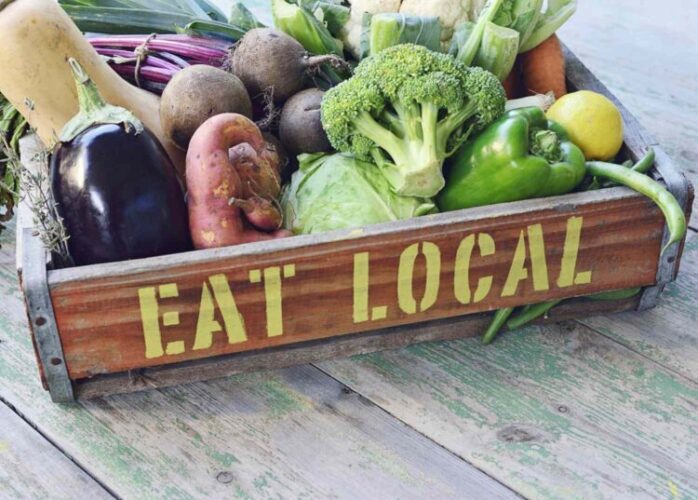
Working days often revolve around eating, whether it’s snacking at your desk during a mid-afternoon lull or sharing a meal with colleagues. Food can be an important part of the workplace culture, but all too often workplaces default to quick and convenient snacks that are anything but healthy. To promote eco-friendly and healthy eating habits among employees, employers need to foster a proactive culture when it comes to organic and local produce consumption. Here’s how.
Define Your Mission
First things first; before you move forward with any initiatives, it is important to have everyone on the same page regarding what your mission actually is. Start by gathering some information as to why consuming organic and non-GMO food is so important (e.g., how they reduce agricultural pollution, emphasizes healthy eating habits, supports local sustainable farms). Be sure to emphasize the positive health and ecological advantages in order to really capture everyone’s attention.
Promote Visibility
Now that people know why this mission is so important, create visibility for these green initiatives throughout your office space: Hang posters promoting organic food sources in high traffic areas like your reception area or cafeteria; hold seminars where employees can develop their understanding of organic agriculture; have educational materials on foods such as label reading handouts available throughout communal workspaces. This will continually remind employees about the importance of adopting healthier dietary practices utilizing local sources for produce whenever possible — even if there’s already something really tempting sitting in the breakroom snack drawer.
Implement Incentivization Programs
Incentivization programs are great motivators when it comes to motivating employees to embrace eco-friendly ideas. Deals such as offering discounts on groceries for purchasing locally grown produce are popular options nowadays – allowing employees to appreciate the value behind environmental sustainability while saving money at the same time. Giveaways featuring products from small business owners who use local ingredients can also be an attractive option for supporting local farmers while providing incentives for staff members who make efforts toward following your mission statement.
Rely On Technology
Leverage technology’s power in order to spread awareness of eco-friendly initiatives by creating digital news boards wherein you can highlight stories related to sustainable farming practices as well as inform staff members about subsidies that may be available for purchasing organic food agents across designated locations near their work space or even home. There are also several mobile applications designed specifically towards helping consumers source out environmentally friendly options — pairing consumers up with both small business owners who focus on organic produce as well as larger wholesalers depending upon user preference.
Make It Fun
Encouraging staff appreciation days where you bring in catered lunches from a farm nearby every quarter could be welcomed by everyone especially if giving out prizes or goodies showcasing an environmentally conscious lifestyle – like reusable produce bags etc.. And don’t forget you can offer rewards points systems aimed exclusively towards those knowledgeable enough about sustainability issues within their community – ultimately rewarding anyone who takes incentive towards enacting change under societal engagement programs . Incorporating fun activities into team building sessions such as compost bins set up within mental health huts makes them more appealing because knowledge naturally empowers.
Conclusion
To effectively foster a culture of sustainable production process amongst workplaces requires certain forethought but luckily there are plenty of solutions out there – and many solutions do come down simplifying communication pathways between employers & employees meaning greater transparency regarding such ecologically conscious projects we undertake collaboratively together – leading ultimately towards environmental progress.
FAQs
Q: What tools are useful in encouraging organic/local consumption?
A: One effective tool for encouraging organic/local consumption is incentivization programs which offer discounts on groceries for purchasing locally grown produce or other giveaways featuring products from small business owners who use local ingredients as well as leveraging technology using digital news boards or mobile applications dedicated specifically towards helping consumers source out environmentally friendly options.
Q: Are there particular strategies used when creating signage/posters related to sustainable practices?
A: Yes – Firstly, ensure that prominent reminders are placed within commonly used areas such as reception areas or cafeterias while also incorporating pictures or graphics that reflect upon its locality/origin alongside actual text detail referring back directly onto its benefits. “warm colors” alongside interesting font types tend too helps draw attention quickly without sacrificing any pertinent information Q: Are there particular “benefits” associated with sustainability products? A: Absolutely, beyond just donating methodically collected funds & goods resources (such seedlings) onto poor communities; each alternative habitat helps nurture new species of insects like bees butterflies enabling sustained balanced ecosystem essential for our survival Furthermore They’re cultivated without chemical help meaning no GMO crops etc– safeguarding our bodies considerably since hormone disruptors won’t enter into circulation inside us .Q: What does implementing ‘fun activities’ into team building sessions mean exactly ? A : Making something seemingly mundane like setting up compost bins within mental health huts more inviting by adding elements competition training tasks scavenger hunts amongst others represent engaging means two reward those knowledgeable applicable subjects which endearing yet informative way .
I hope you like reading on How Can Workplaces Foster a Culture of Organic and Local Produce Consumption?.

As a new mom navigating the postpartum transition, finding support—especially nutritional support—can be incredibly difficult. With so much conflicting advice, Read more

In recent years, veganism has grown in popularity among modern offices with more and more employees demanding a largely plant-based Read more

Nowadays, more and more individuals are looking into plant-based protein sources for their daily intake. A plant-based diet is one Read more

Meditation is a practice where an individual activates a mode of conscious awareness during which they observe their thoughts and Read more