
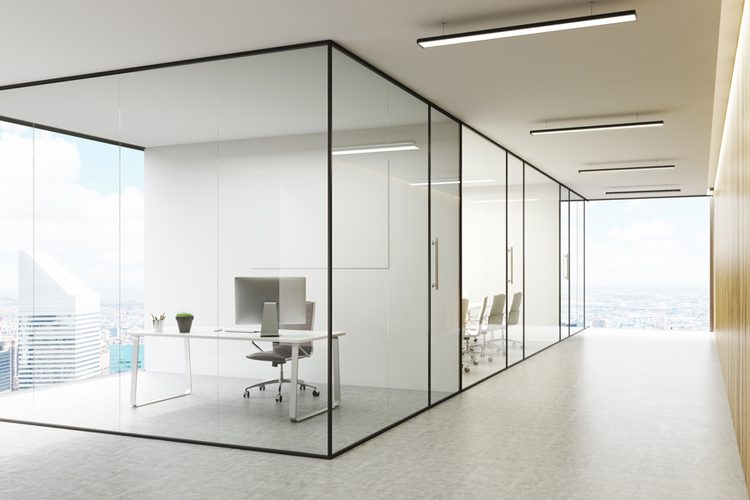
Does the quality of sleep affect the productivity of your employees? The answer is yes. Poor sleep affects moods, creativity, concentration, and alertness in the workplace. But what can organizations do to improve employee sleep quality? Can soundproofing and quiet zones help promote better sleep for their staff members? This article explores these questions and will let you make informed decisions regarding soundproofing technology and quiet zones at your offices.
What is Soundproofing?
Soundproofing is an acoustic treatment used to reduce or eliminate unwanted sounds in indoor spaces. It helps limit disturbances from outside noises such as traffic, loud conversations, barking dogs, or concert noise. It also helps prevent sound from leaving a space; this might include private conversations in a conference room or phone calls from an office. By soundproofing walls, ceilings, floors, doors, windows, air vents – any opening really – it’s possible to create “quiet zones” where noise won’t travel far or penetrate at all.
Advantages of Soundproofing for Employees
For most of us who work during the day, poor sleep results in groggy mornings and lack of focus during office hours. That said, soundproofing plays an important role in helping employees get better rest at night so that they can perform better during daytime. Here are some advantages that come with creating a sound-resistant environment:
* Improved Focus: Being able to concentrate on tasks without constant interruptions leads to more efficient work being completed in less amount of time. Deadening external noise also creates conditions conducive for creative problem solving and decision making when it comes to more complex situations in the professional realm.
* Increased Productivity: By removing distractions like external conversation or construction noise outside an office space by soundproofing walls encourages employees to stay focused on productive tasks throughout the day resulting increased productivity which ultimately translates into higher profits as well as customer satisfaction both at a personal as well as professional level.
* Stress Reduction & Better Mental Health Conditions: As mentioned earlier reducing noise pollution inside working environments reduces stress allowing employees feel relaxed while doing their job leading them towards improved mental health conditions over time because research has shown that long term exposure to high levels can actually cause psychological damage – something no employer ever wants!
* Improved Sleep Quality & Restfulness During Working Hours: Last but not least when creating “quiet zones” with proper acoustic treatments like sound deadening foam panels one key result will be improved sleep quality as well which leads towards feeling more refreshed during working hours – ensuring both longer hours spent productively without exhaustion (due lack) later down line!
Different Types Of Soundproof Materials Which Can Be Used
When dealing with cases related to general purpose acoustic insulation there are various types of products available such as foam panels which could provide excellent results despite having low price tag attached versus other solutions like mineral wool / fiberglass slabs (which offer higher durability albeit higher cost). Additionally combination strategies involving dampening material are popular when dealing with residential applications where people want maximum performance result possible within given budget frame restrictions so optimal balance between price performance ratio needs careful consideration beforehand too ensure user gets desired outcome tailored specifically according their requirements/preferences accordingly !
Should Companies Invest In Office Sound-Proof Technologies?
Undoubtedly there is potential benefit from investing into acoustic insulation technologies inside workplaces both commercially/residentially although economic/ financial internal analysis would have determine if necessary investments do indeed warrant expected returns equivalent after deployment depending scale/complexity involved should be taken into account within decision making process beforehand oftentimes it may suit companies better buy cheaper products temporarily until permanent ones come around later if budgetary constraints exist rather than immediately jump onto expensive options straight away with no guarantee afterwards that lead back positive overall returns later given projected timeline expectations!
How To Create Quiet Zones For Employees?
Creating quiet zones come down proper planning beforehand matching specific objectives need achieved alongside budget allocated within organization looking incorporate such features prior implementation commences this especially essential biggest challenge vast majority hospitals schools etc al due restrictive nature costs associated installations so proper research pay dividends future saving avoid costly errors potentially waste newly acquired resources over long run !
Conclusion
It’s easy to see why most employers should consider incorporating some form of acoustic insulation technology into their workplace settings when potential benefits much outweigh related expenses commensurate efforts not just highly recommended but near compulsory if true competitive advantage sought after needless say implementing properly chosen product correctly installed soonest time possible go long way improving overall efficiency reduced operational costs across board increasing profits organisation big picture perspective too!
FAQ’s:
Q1) What is sound proofing?
A1) Sound proofing is an acoustic treatment used to reduce or eliminate unwanted sounds in indoor spaces. It helps limit disturbances from outside noises such as traffic, loud conversations, barking dogs ect., while also preventing internal sounds from exiting the space suchas confidential conversationsm phone calls ect .
Q2) What are some advantages of sound proof materials?
A2)Some advantages include improved focus , increased productivity , stress reduction &better mental health conditions ,and improved sleep quality & restfulness during working hours .
Q3) Are there different types of materials used for sound proofiong ?
A3) Yes , there are different types such foam panels , mineral wool , fiberglass slabs and dampening materials.
Q4) Should companies invest in office sounf-prrofing technoligies ?A4) Yes , investing into acoustic insulation technologies inside workplaces is beneficial There however must be careful budget considerations when deciding whether or not this would be a wise investment .
Q5 ) How can companies create quiet zones ? A5 ) Creating quiet zones requires considerable planning beforehand wwwwith carefull budget considerations taken into account before investing any time or money into building them .Consideration must be paid to matching employee needs alongside budgetary restraints . Proper research prior installation will save time ans money down aline.
I hope you like reading on Can Soundproofing and Quiet Zones Influence Better Sleep for Employees?.

As a new mom navigating the postpartum transition, finding support—especially nutritional support—can be incredibly difficult. With so much conflicting advice, Read more

In recent years, veganism has grown in popularity among modern offices with more and more employees demanding a largely plant-based Read more

Nowadays, more and more individuals are looking into plant-based protein sources for their daily intake. A plant-based diet is one Read more

Meditation is a practice where an individual activates a mode of conscious awareness during which they observe their thoughts and Read more