
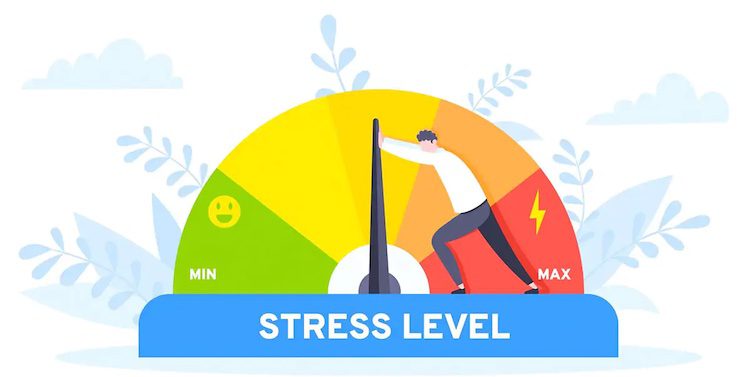
Stress: an invisible but very real part of modern work culture. If you’ve ever felt its weight, you’ve likely asked, “How is this affecting my body?” Today, we dive deep into a concern that plagues many employees: the perplexing relationship between stress and weight management.
The Stress-Weight Connection
Ah, stress. That pesky five-letter word. We’ve all felt its clutches at some point, but have you ever stopped to think about its ripple effects on your body? Most of us acknowledge the mental and emotional toll, but there’s another facet to this story: your weight.
1. The Role of Cortisol
When you’re stressed, your body releases a hormone called cortisol. Think of it as the body’s built-in alarm system. But, like a car alarm going off at random times, high levels of cortisol can wreak havoc. Especially on your weight. How, you ask? Let’s unravel this mystery.
2. Appetite and Cravings
Have you ever noticed how you crave sugary and fatty foods when you’re stressed? There’s a reason for this! Elevated cortisol levels can increase your appetite, making that chocolate bar or bag of chips irresistible. It’s not just in your head; it’s in your hormones.
3. Fat Storage
Now, here’s a kicker: cortisol doesn’t just make you hungry; it changes where you store fat. More specifically, it promotes fat storage in the belly. Ever heard of the term “stress belly”? Now you know why!
Workplace Factors Amplifying the Stress
Office life comes with its own set of stressors. Let’s delve into what makes the corporate world a hotbed for stress-induced weight changes.
1. Sedentary Lifestyle
Most jobs today involve sitting at a desk for long hours. This lack of movement, coupled with stress, can be a double whammy for weight gain. Remember, a body in motion stays in motion!
2. Unhealthy Snacking Habits
Combine stress cravings with a vending machine full of sugary treats, and you have the perfect recipe for weight gain. Those mid-afternoon slumps? They’re often met with caffeine and calorie-laden snacks.
3. Irregular Eating Patterns
Missing lunch because of a meeting or eating at odd hours can disrupt your body’s internal clock. This disruption can further exacerbate weight management issues.
Taking Control: Tips for Managing Stress and Weight at Work
Break the Chain: Recognize stress triggers and develop coping strategies. Deep breathing, anyone?
Move More: Take short breaks. A quick walk or even some stretching can do wonders.
Mindful Eating: Listen to your body. Eat when you’re hungry, and choose healthy snacks.
Seek Support: Talk to colleagues or consider joining a workplace wellness program.
Conclusion
Stress and weight management among employees is a nuanced topic. While workplace stress is often unavoidable, understanding its impact on weight can empower individuals to take proactive steps. Remember, it’s not just about shedding pounds but fostering a holistic sense of well-being.
FAQs:
1. How does stress lead to weight gain?
Stress increases the production of cortisol, which can lead to increased appetite and fat storage, especially around the belly area.
2. Can managing stress help in weight loss?
Absolutely! Managing stress can regulate cortisol levels, leading to better appetite control and reduced fat storage.
3. Why do I crave unhealthy foods when stressed?
Elevated cortisol can trigger cravings for sugary and fatty foods as the body seeks quick energy sources.
4. How can I combat stress in the workplace?
Engage in regular physical activity, practice mindfulness, maintain a balanced diet, and seek social support.
5. Is “stress belly” a real thing?
Yes, prolonged stress and high cortisol levels can promote fat storage in the belly area, leading to what’s commonly referred to as a “stress belly.”
I hope you like reading on How Do Stress Levels Impact Weight Management Among Employees?.

As a new mom navigating the postpartum transition, finding support—especially nutritional support—can be incredibly difficult. With so much conflicting advice, Read more

In recent years, veganism has grown in popularity among modern offices with more and more employees demanding a largely plant-based Read more

Nowadays, more and more individuals are looking into plant-based protein sources for their daily intake. A plant-based diet is one Read more

Meditation is a practice where an individual activates a mode of conscious awareness during which they observe their thoughts and Read more