
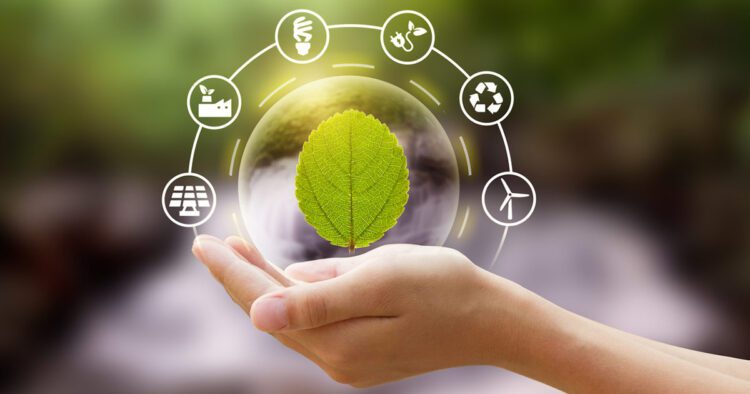
With the rising awareness of climate change and the ongoing need for sustainability, eco-friendly startups are beginning to embrace and innovate within the plant-based movement. Being environmentally conscious has extended beyond reducing people’s carbon footprint to involve choosing a lifestyle that is better for the planet. People wanting to live healthier and strive towards sustainability have turned to plant-based diets as a viable option that empowers them in making an impact while capitalizing on their own health. Eco-friendly startups have tapped into this opportunity by creating products, services, and initiatives that cater to customers looking for greener lifestyles through accessible plant-based options.
The Growing Appeal of Plant-Based Diets
As peoples’ concern for environmental conservation increases, so does their demand for food production alternatives with fewer negative impacts on Mother Nature. Because animal products consume large amounts of resources to produce, vegan and vegetarian diets have become increasingly enticing options due to their low carbon footprints. Consequently, eco-friendly startups are dedicating themselves to catering to those who want resource-efficient substitutes through the implementation of several innovative solutions.
NaturBiz’s Plant Based Initiative
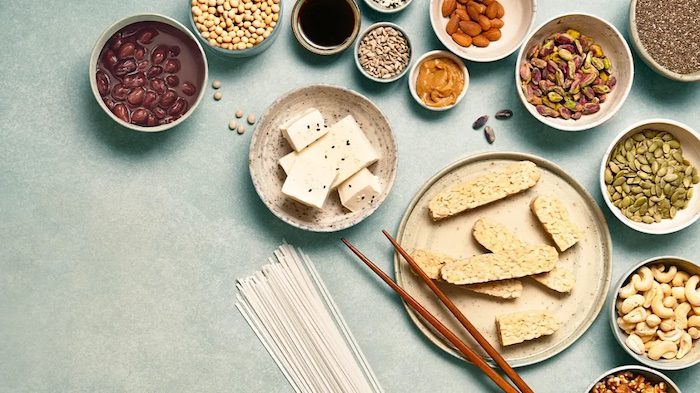
For example, NaturBiz Inc., an organic foods company, created a simple yet effective plant-based initiative earlier this year called “Going Green For Good”. They emphasized lower resource consumption associated with vegan options allowing customers to shop for food without feeling like they were sacrificing quality nutrition or taste. Furthermore, NaturBiz promoted global citizenship by urging individuals to transform their shopping trips from animal-based purchases into more sustainable and affordable plant materials while showcasing how small changes can eventually add up into a larger impact in terms of living green. Awareness was also spread about sources of sustainable protein beyond tofu, including tempeh and seitan both made from gluten sources such as wheat flour or barley which are being made accessible worldwide due to its eco-friendly properties. What is more exciting is that there is development into creating technologies which allow production of fish substitute from seaweed extracts offering amazing playfields to expand here further.
Innovative Production Methods Utilizing Plant-Based Materials
Creativity has been taken even further as vegan efforts also extend into material production methods. Companies are seeking out alternative ways in sourcing raw materials that reduce our dependency on finite resources acquired through animals such as polyurethane foam derived from petroleum derivatives instead of traditional latex derived from rubber tree sap. Recyclable or biodegradable products such as PLA (polylactic acid) are stepping ahead in terms of addressing energy savings and emission reduction. Even cleaning agents replacing leather constituents with palm oil-based alternatives and additive-free beverage containers show how the industry is innovating.
Ethical Fashion
Plant-based diets have extended beyond just food with ethical fashion driving companies forward. Now, they source materials more sustainably including bamboo or pineapple fibers. Leather substitutes are being explored to avoid harmful environmental effects, and the industry as a whole is looking at how to reduce its carbon footprint while still satisfying customer needs.
Conclusion
In conclusion, eco-friendly startups are embracing the plant-based movement to promote positive behaviors towards sustainability. Through innovative initiatives, they’re encouraging people across different areas, such as nutrition or fashion, to make mindful choices for a more sustainable future.
FAQ
Q: What methods do eco start-ups use when embracing the plant-based movement?
A: Eco start-ups typically use innovative methods such as producing recyclable/biodegradable products, sourcing raw materials sustainably, and focusing on sustainable protein sources, among other strategies.
Q: How does ethical fashion come into play with eco-friendly strategy?
A: Ethical fashion emphasizes sustainability within the apparel sector, highlighting renewable resources and avoiding harmful chemicals.
Q: Is there any way utilizing existing resources produce better results?
A: Absolutely. Leveraging existing resources and innovating around them can provide multiple benefits, from cost savings to environmental benefits.
Q: What other benefits come with switching to a primarily plant-based diet?
A: Transitioning to a plant-based diet offers health benefits such as reduced body fat, lower cholesterol, and improved overall fitness, alongside the environmental benefits.
I hope you like reading on How Are Eco-Friendly Startups Embracing the Plant-Based Movement?.

As a new mom navigating the postpartum transition, finding support—especially nutritional support—can be incredibly difficult. With so much conflicting advice, Read more

In recent years, veganism has grown in popularity among modern offices with more and more employees demanding a largely plant-based Read more
Nowadays, more and more individuals are looking into plant-based protein sources for their daily intake. A plant-based diet is one Read more

Meditation is a practice where an individual activates a mode of conscious awareness during which they observe their thoughts and Read more