
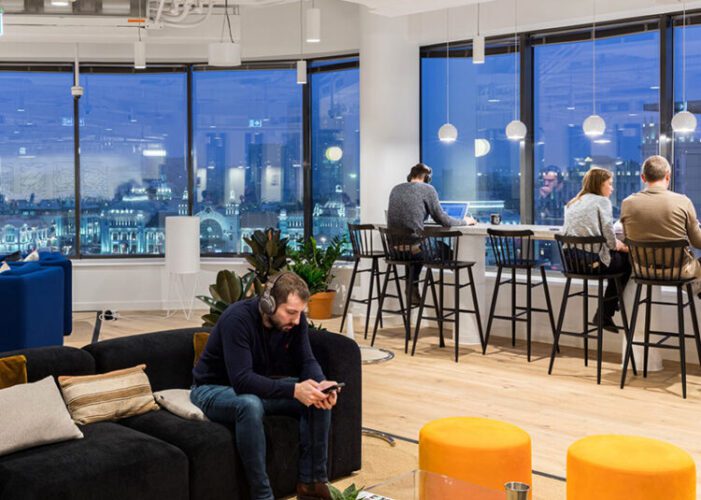
Picture this: you’re grinding away at your desk, and as the day progresses, you find your eyes straining, with a pesky headache creeping in. Sound familiar? Well, the lighting in your office might just be the culprit. A critical yet often overlooked aspect of workplace ergonomics is office lighting. When poorly managed, it can contribute to a myriad of eye health problems for employees. So, how exactly does lighting tie into our eye health, and what can offices do about it?
The Science Behind Our Eyes and Light
Our eyes are intricate, delicate organs, finely tuned to receive and process light. They’re not just for seeing – light exposure also influences our mood, alertness, and even our body’s internal clock.
Natural vs. Artificial Light
While our eyes have evolved over millennia under the soft, varied hues of sunlight, modern offices often use artificial lighting, which has a different spectrum and intensity. This disparity can cause a strain, especially during prolonged exposure.
Effects of Poor Lighting in Offices
Inadequate or improperly set up lighting can have a significant impact on employees’ well-being and productivity.
1. Digital Eye Strain (or Computer Vision Syndrome)
Ever heard of that tight, irritated feeling in your eyes after hours in front of a screen? That’s digital eye strain. Poor lighting exacerbates it, as our eyes struggle to adjust between the screen’s brightness and the surrounding light.
2. Disruption of Circadian Rhythm
Inadequate exposure to natural light can throw off our internal body clock, potentially leading to sleep disorders. This misalignment happens because certain light wavelengths, particularly from artificial blue light, suppress melatonin, our sleep hormone.
3. Migraines and Headaches
Fluorescent lights, especially when they flicker or when they’re too bright, can be a headache trigger. Over time, chronic exposure can lead to frequent and severe migraines.
Steps to Improve Office Lighting
Adjusting office lighting isn’t just about aesthetics; it’s a health imperative.
1. Harness Natural Light
Windows are not just for views! Natural light is gentler on the eyes and helps regulate our internal clock. Design office spaces to allow as much natural light as possible, using translucent blinds to diffuse brightness when necessary.
2. Choose the Right Artificial Light
Opt for LED lights with adjustable color temperatures. Cooler, blueish lights are energizing and suitable for mornings, while warmer tones are calming, ideal for winding down towards the end of the day.
3. Eliminate Glare
Position workstations perpendicular to windows and use matte screens and anti-glare filters to minimize reflections.
4. Advocate for Regular Breaks
Encourage the 20-20-20 rule: every 20 minutes, look at something 20 feet away for 20 seconds. It helps reset the eyes and reduce strain.
Individual Empowerment
Employees can also take personal steps to protect their eyes.
1. Adjust Screen Brightness and Contrast
Screens should be as bright, or slightly brighter, than the surrounding environment. Tweaking the contrast can also make text easier to read.
2. Use Blue Light Filters
Many devices now offer settings or apps that reduce blue light emissions, especially useful in the evenings.
Conclusion
The right office lighting can spell the difference between a productive, energetic day and one marred by eye strain, fatigue, and headaches. As our work lives increasingly shift indoors and in front of screens, recognizing and addressing the impacts of lighting on eye health becomes paramount. By marrying thoughtful office design with individual practices, we can foster workplaces that illuminate our tasks without dimming our well-being.
FAQs
Is natural light always better for the eyes?
Generally, yes. Natural light is gentler and has balanced wavelengths. However, too much direct sunlight can cause glare, so diffusing or shading can be beneficial.
Are desk lamps a good idea?
Absolutely, especially if they’re adjustable. Task lighting, directed where needed, can reduce the need for overhead lights and decrease glare.
How can I know if the office lighting is affecting my eyes?
Symptoms like eye strain, frequent headaches, blurred vision, or trouble sleeping can be indicative. If in doubt, consult an optometrist.
Do blue light glasses help?
They can reduce exposure to blue light from screens, potentially decreasing eye strain. However, individual experiences may vary.
How often should I take breaks from screen work?
Aim for a short break every hour. Remember the 20-20-20 rule, and occasionally, walk around to refresh both your eyes and body.
By shining a light on the importance of proper illumination, businesses can create an environment where employees’ vision remains sharp and health remains a priority.
I hope you like reading on What Role Does Office Lighting Play in Employees’ Eye Health Issues?.

As a new mom navigating the postpartum transition, finding support—especially nutritional support—can be incredibly difficult. With so much conflicting advice, Read more

In recent years, veganism has grown in popularity among modern offices with more and more employees demanding a largely plant-based Read more

Nowadays, more and more individuals are looking into plant-based protein sources for their daily intake. A plant-based diet is one Read more

Meditation is a practice where an individual activates a mode of conscious awareness during which they observe their thoughts and Read more