
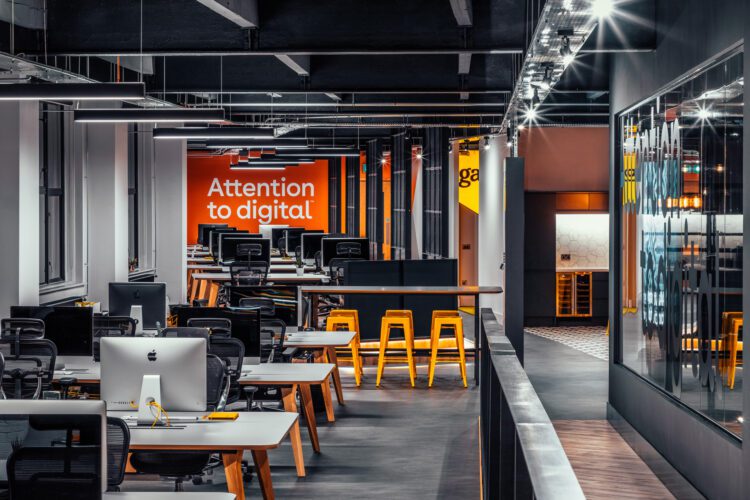
With the rise of a brand new technological age, more and more businesses are gradually shifting towards open office layouts. Open offices have their own benefits: they allow for easier communication between employees, can better foster creative thinking, and make the workplace look more modern. But what about health risks associated with these types of office designs? Are open office layouts contributing to increased illness spread among employees?
The answer may depend on how well an open office is designed and managed. When done correctly, a well-executed open office layout can be beneficial in terms of both creativity and productivity; however, an incorrectly designed setup may leave your workers vulnerable to germs and viruses. With this in mind, let’s take a look at some of the potential causes of increased illness spread in the open office environment.
### Reasons Open Office Layouts Can Cause Illness
1. Poor air circulation: Much like any other enclosed space or structure, poor ventilation within an open office can lead to accumulation of respiratory irritants or pollutants that can increase susceptibility to colds and other airborne illnesses. In addition to poor air circulation or air quality caused by things like inadequate ventilation or environmental conditions, improper arrangement of desks and chairs can also impede airflow – leading to further problems with indoor air quality.
2. Germs from common areas: Common parts of an open office such as kitchens or seating areas often don’t receive regular cleaning treatments — leaving them hotbeds for germs and bacteria that lead to disease transmission among employees.* Additionally, shared computer keyboards, mice, printers*, copiers* become hot spots for transferable diseases if not regularly cleaned with disinfectant wipes* – making it even easier for illnesses to quickly spread throughout your team! Lastly, certain carpeting* materials used in lobbies alone can act as reservoirs* where dust mites* breed—increasing the likelihood of allergies taking effect during peak allergy season.*
3. Proximity without privacy: Working closely with colleagues is great for collaboration but when someone gets sick it can quickly disrupt operations in any given area as everyone’s health becomes linked together whether they like it or not –especially since many open-office layouts typically don’t include soundproof walls between coworkers’ desks.* As a result*, those who work directly near one another – such as doctors in close contact with patients – are most susceptible*to being exposed riskier levels*of potentially airborne pathogens*. Moreover,, productivity decreases due to fewer general opportunities available around the workspace (as compared with cubicles) that could shield them from noise distractions or protect them from feeling overworked by their peers if there was enough physical distance provided between working desks*.
### Tips For Preventing Illness In An Open Office Layout
Despite all these potential risks associated with open workspaces*, there are still numerous strategies available businesses looking optimize their floorplans while keeping their employee’s safe , healthy** , and productive; Some Ideas include:
1** . Enforcing proper hygiene habits across all departments – Promote frequent hand washing throughout the day plus physical distancing protocols whenever possible** *(and appropriate). Make sure your staff knows what good hygiene looks like so that they know how important it is for preventing illness transmission.*
2** . Installing individual “phone booths” – These mini-offices provide privacy while still allowing everyone access** **to popular work zones.* Install these within easy reach so that folks don’t need extra time walking elsewhere; this helps minimize overcrowding which improves air circulation which reduces exposure precautions needed by your staff.*
3** . Adjust desk arrangements according to seasonality – During cold weather months you may consider rearranging desks so that each one points away from each other thus increasing physical distance & preventing too much sharing of semi-confined workspace i.*e breathing/talking so closely upon one another naturally spreads specific microbes & bacteria *which people then exchange through speaking/breathing rather than simply touching objects*** *or total surfaces areas*. So consistent desk reassigning depending on seasonal climate could go far towards reducing personnel menace issues altogether!**
4** . Adding plants throughout practical parts of workspaces- As studies have proved before adding greenery & simple flora around offices helps reduce levels allergen counts & organic indoor hazards whilst also helping stimulate mindfulness among workers *. Adding potted plants *on shelves/desks here & there has been proven more than adequate nowadays when seeking successful reduction pneumonia occasions amongst colleagues indoors! **
5^ . Investing in healthier materials & fabrics ^for highly trafficked areas^ – Rather than opting immediately carpets townsman hardwood floors try exploring sustainable fiber rugs synthetic leather armchairs mercury vinyl chair cushions bedding throws etc u This will surely create layering separation between general feet foot traffic & anyone maybe seated dining , likely going a long way towards maintaining health safety standards….
####Conclusion
It should now be evident that while there are several advantages to having an open office layout–such as better communication between employees–it’s important for businesses stay mindful implementation design details people working scenarios safely amidst changing environmental climates affecting staff behavior patterns productivity levels presentation attitudes etiquette …Ultimately ensuring greater success overall whilst still warding off disease transmitting inevitabilities common wide amongst workplaces designs fundamental principles *especially during ongoing pandemic related times where virus exposure manageable extent larger trends concerns really present paramount*.
####FAQs 1Q). Is An Open Office Layout Contributes To The Spread Of Illness\ A). Yes, an Open Office layout may contribute to increased illness spread among employees if not properly designed and managed. Poor air circulation potential places germs gather (ambiguous walls common spaces), proximity without privacy shared utilities aforementioned can make easy possible spreading contagious diseases via such settings hence why advice here followed minimize sickness related instances best part long run !
I hope you like reading on Are Open Office Layouts Contributing to Increased Illness Spread Among Employees?.

As a new mom navigating the postpartum transition, finding support—especially nutritional support—can be incredibly difficult. With so much conflicting advice, Read more

In recent years, veganism has grown in popularity among modern offices with more and more employees demanding a largely plant-based Read more

Nowadays, more and more individuals are looking into plant-based protein sources for their daily intake. A plant-based diet is one Read more

Meditation is a practice where an individual activates a mode of conscious awareness during which they observe their thoughts and Read more