
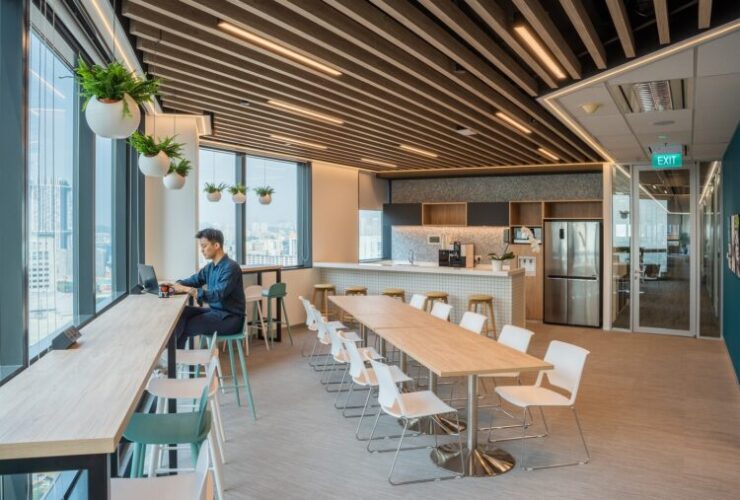
Organic foods have seen a rapid increase in popularity over the last decade. With consumers becoming more aware of what they eat, many are turning to organic produce in an effort to make healthier choices. Now, this trend is starting to affect corporate cafeterias all across the globe as businesses offer their employees an opportunity to enjoy organic meals during their working hours. Are corporate cafeterias witnessing an organic food revolution? Keep reading to find out!
## What Does Organic Really Mean?
Organic food is produced using methods that preserve the environment and do not use synthetic chemicals or preservatives. This form of farming relies on natural fertilizers such as compost and manure, crop rotation, and other traditional methods without any pesticides or other harmful substances involved in production. That means when you opt for organic food, you’re eating a meal with fewer chemicals and toxins than those found in conventionally grown produce.
### The Benefits Of Eating Organic Food
There are several benefits associated with eating organic food, particularly when compared with conventionally grown food items:
* increased levels of vitamins and minerals;
* better nutritional value;
* no exposure to synthetic pesticides;
* fewer contaminants from chemicals used during production;
* better soil quality due to lack of pesticides in farming; and
* fewer environmental pollutants released into the atmosphere from organic farms.
Additionally, by choosing organic you may be supporting local farms and producers that take great care with their workmanship. These farmers often go through strenuous certifications processes to ensure their products meet certain standards set forth by individual health departments or governing bodies like the FDA or USDA before sale or consumption can take place. Many companies choose to offer these products as part of their culinary portfolios in order to improve overall employee well-being by introducing cleaner options for people who might not otherwise have access to them. Finally, organic foods usually cost more than traditional products which can benefit farmers who grow it by improving upon sometimes low margins that come along with certified-organic farming./
## The Impact Of Corporate Cafeterias On The Organic Revolution
Corporate cafeterias have become popular dining destinations for employees who don’t want to venture out on their lunch break or want quick access throughout the day without leaving the office space. To cater properly for changing tastes and dietary demands amongst its staff members companies have had no choice but to update its menus accordingly – even if it comes at greater cost initially – as they look towards offering more sustainable plant-based meals alongside traditional offerings such as meat-based dishes. By stocking up on fresher vegetables sourced directly from farms implementing sustainable agricultural practices they introduce transparency within their menu selections while minimizing waste due to overstock issues caused by excess purchases from supermarkets often provided by food vendors instead./
## Studies Show Organics In Demand Amongst Businesses
Studies show that businesses around the world are now showing a large preference organics over conventional alternatives when it comes time for them too stock up their staff canteens, cafés and canteen lines . Multi-national corporations like Etsy Uber Microsoft American Express Dell Corporation Amazon Target Priceline Symantec HP etc.. all provide organic vegetarian options so much so that some 85% of surveyed organizations noted nearly 95% of customers selecting either organics or non-GMO substitutes whenever available./
## An Effective Way To Promote Healthy Eating Habits At Work
Making these organic alternatives available not only puts companies at a competitive advantage amongst its rivals but also allows them pass down certain health benefits amongst its entire staff population aides in promoting healthy eating habits across board thus leading ultimately lead this surge towards organically grown foods being chosen over regular diets ../
### Should More Companies Follow Suit?
Corporations should look upon incorporating new age diets into its offices since such norms will eventually trickle down into larger businesses even enhancing relations between future generations Furthermore any move made towards away from junk fast processed diets coupled collaboration farmlands encouraging sustainability only lead towards healthier YOU population green lifestyles/
# Conclusion
The surge towards organically produced meals has resulted in workplaces taking note of updated demands from its patrons requiring diet shifts due changing palettes preferences wider selection Produce environments/ All Firms must continuously approach corporate cafeterias policies frequently undergoing updates revisions considering ever dynamic needs rising trends further Such transformations ultimately promote nutrient dense values hence allowing working populations enjoy amazing feasts enabling them work nutritious job satisfying manner/
# FAQs
**Q: What is ‘organic’ food?**
A:Organic food is produced using methods that preserve the environment and do not use synthetic chemicals or preservatives. This form of farming relies on natural fertilizers such as compost and manure, crop rotation, and other traditional methods without any pesticides or other harmful substances involved in production.
**Q: What are some benefits associated with eating organic food?**
A:Some benefits associated with eating organic food include increased levels of vitamins and minerals, better nutritional value, no exposure to synthetic pesticides, fewer contaminants from chemicals used during production, better soil quality due to lack of pesticide use in farming ,and fewer environmental pollutants released into the atmosphere from organic farms.
**Q: How have corporate cafeterias been impacted by changes in dietary demands?**
A: Corporate cafeterias have responded by stocking up on fresher vegetables sourced directly from farms implementing sustainable agricultural practices while also introducing cleaner options – such as organic foods – for those who may not otherwise have access to them.
**Q: Why should companies incorporate more modern approaches when updating their cafeteria policies? **
A: Companies should move away from junk fast processed diets towards collaborating with farmlands upholding environmental sustainability leading ultimately towards healthier workplace populations enjoying green lifestyles.
**Q: How has the addition of organics changed corporate dining experiences? **
A: The addition of organics has put corporations at a competitive advantage whilst also passing down certain health benefits through improved menu selections reducing wasting waste caused by excess purchases whilst providing transparency about where produce sources stem..
I hope you like reading on Are Corporate Cafeterias Witnessing an Organic Food Revolution?.

As a new mom navigating the postpartum transition, finding support—especially nutritional support—can be incredibly difficult. With so much conflicting advice, Read more

In recent years, veganism has grown in popularity among modern offices with more and more employees demanding a largely plant-based Read more

Nowadays, more and more individuals are looking into plant-based protein sources for their daily intake. A plant-based diet is one Read more

Meditation is a practice where an individual activates a mode of conscious awareness during which they observe their thoughts and Read more